Fernand Léger
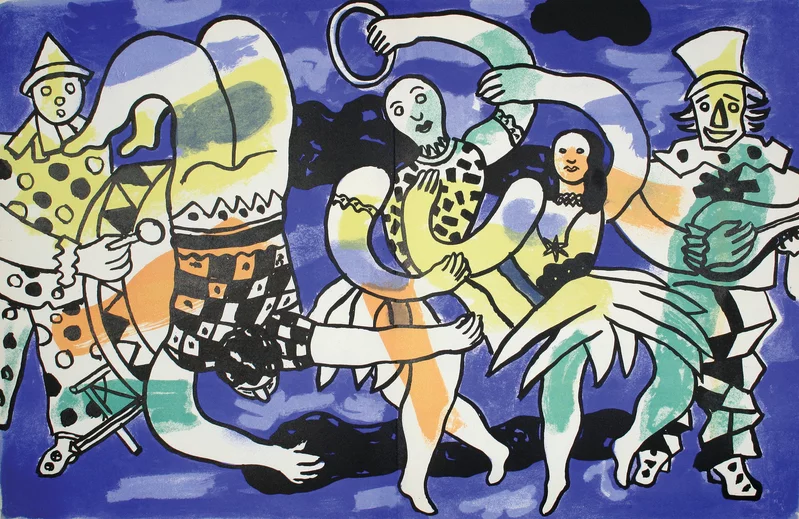
Though he’s considered a foundational figure in the development of Cubism alongside contemporaries Georges Braque and Pablo Picasso, painter Fernand Léger pioneered an abstract style all his own: His aesthetic, which features primary colors and disjointed, rounded forms, has been informally called “Tubism.” Léger’s graphic, flattened scenes of contemporary city life, circuses, and common objects […]
Wifredo Lam
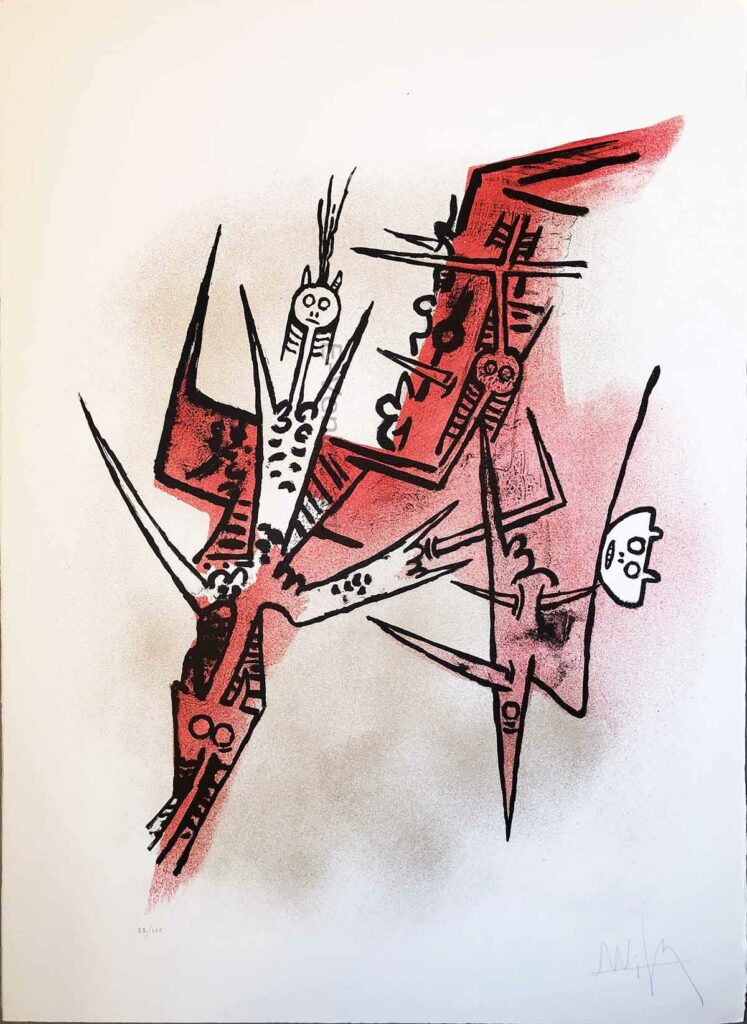
One of the most important Latin American artists of the 20th century, Wifredo Lam developed a unique painting style that fused elements of Cubism, Surrealism, and Afro-Cuban culture. During his formative, extensive travels in Europe, Lam was mentored by Pablo Picasso, studied under an instructor who’d taught Salvador Dalí, and developed close ties with avant-garde […]
Ferdinand Hodler
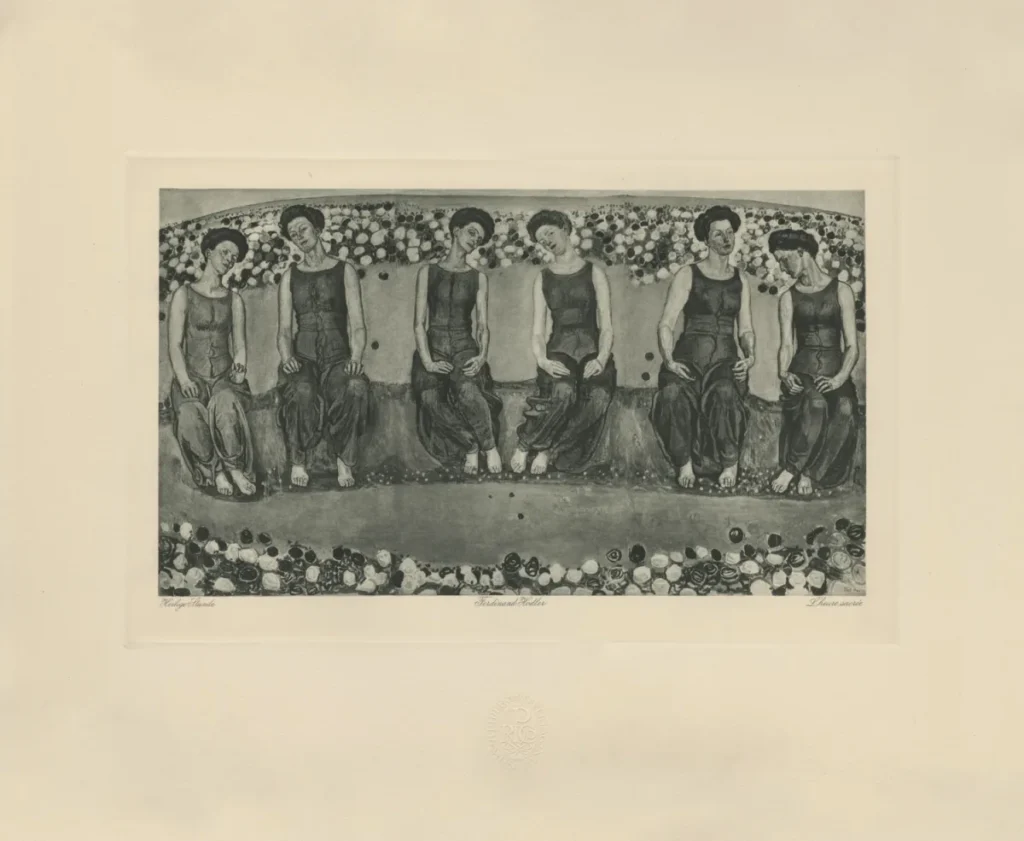
Symbolist painter Ferdinand Hodler was one of the leading Swiss artists of the late 19th century. His expressionistic portraits, landscapes, and historical and mythological scenes were admired by Viennese modernists like Gustav Klimt, Oskar Kokoschka, and Egon Schiele. Hodler’s paintings display the influence of Post-Impressionists like Paul Gauguin, as well as the Realist style of […]
Francisco Goya
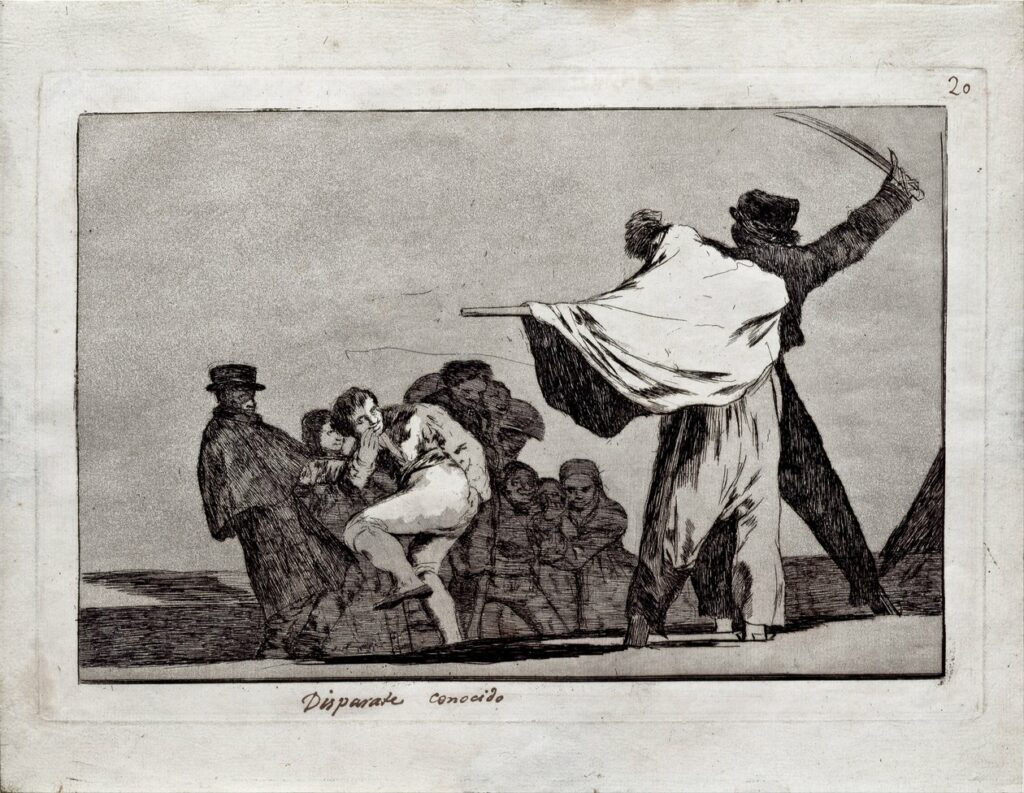
Francisco de Goya’s expressive, tempestuous paintings are iconic works of late 18th- and early 19th-century art. With his thick brushstrokes, high-contrast color palettes, and dark, psychological themes, Goya created a crucial bridge between the Old Masters’ style and subject matter and the modernists’ interests in politics and the surreal; Pablo Picasso and Salvador Dalí named […]
Alberto Giacometti
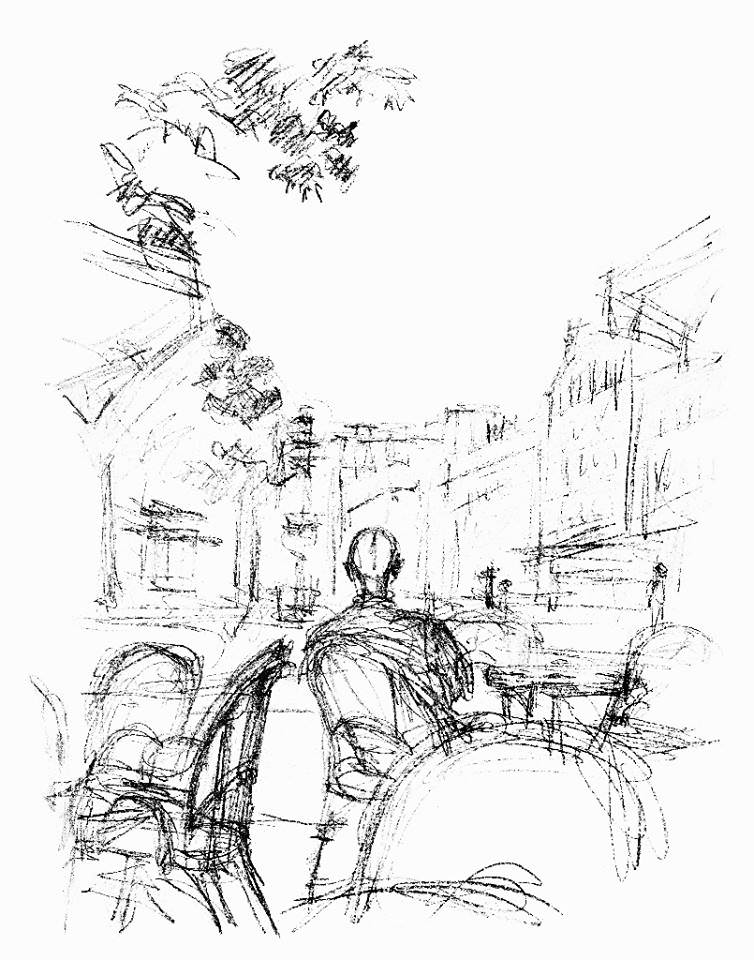
Alberto Giacometti helped revolutionize representational sculpture with his withered, elongated human forms. The artist drew on the influences of Cubism, Surrealism, and African sculpture as he moved away from realistic constructions of the body and towards mythic, totemic bronzes. A sense of alienation permeates Giacometti’s work, evoking the existentialist thought of his friend Jean-Paul Sartre […]
Max Ernst
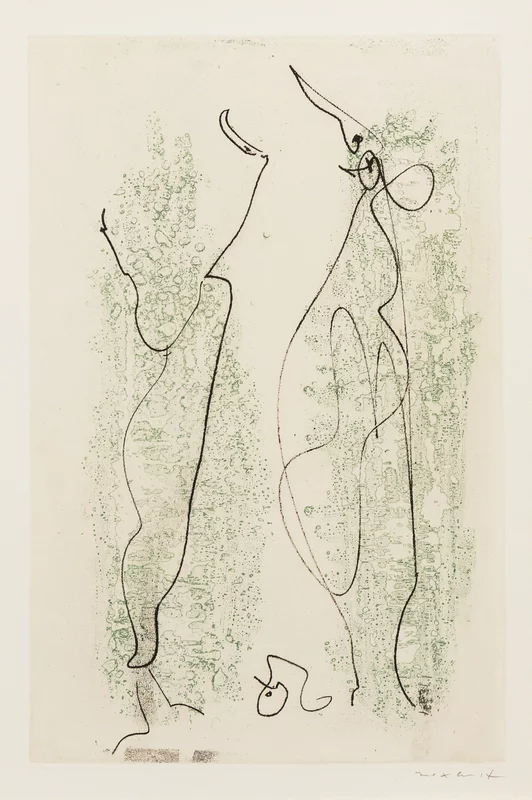
A pioneer of both Dada and Surrealism, Max Ernst channeled psychological intricacies and societal anxieties into his fantastical paintings, prints, drawings, collages, and sculptures. The sense of a vast, personal mythology transcends all of his work. The artist used automatism to tap into his subconscious; the process yielded figures that blend elements of humans and […]
Albrecht Dürer
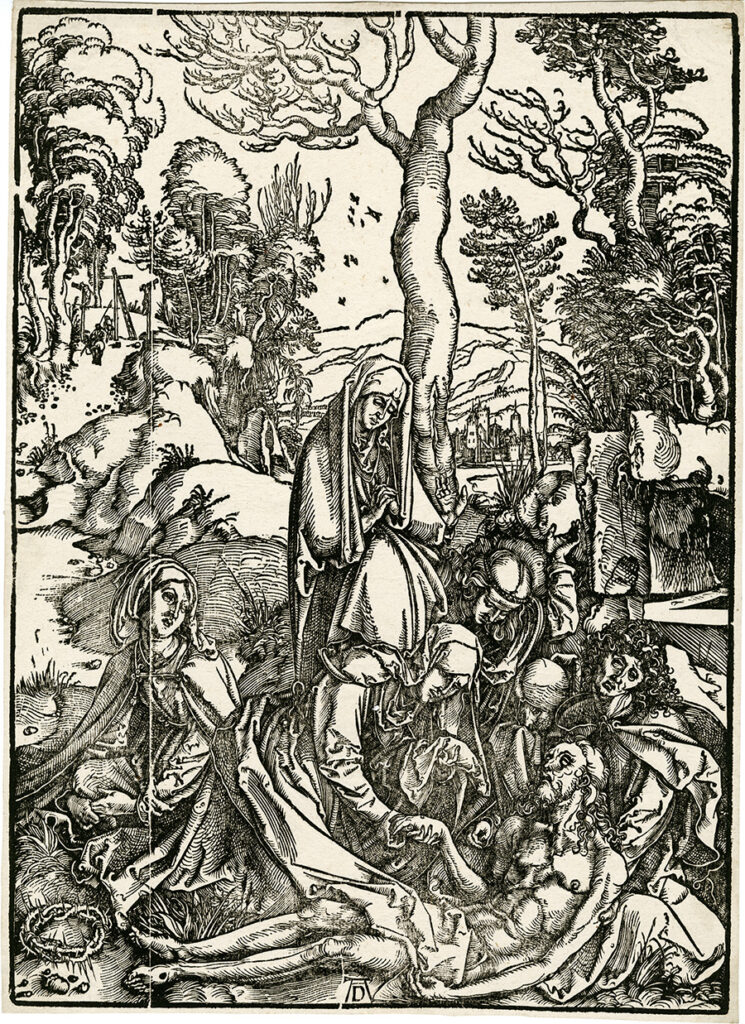
In the late 15th and early 16th centuries, Albrecht Dürer’s extensive work in printmaking helped transform the medium into a fine art form. His woodcuts, etchings, engravings, drawings, and paintings focus largely on religious iconography: Major motifs included Adam and Eve and the Horsemen of the Apocalypse, though Dürer incorporated Renaissance-era ideas of perspective, proportion, […]
Marcel Duchamp
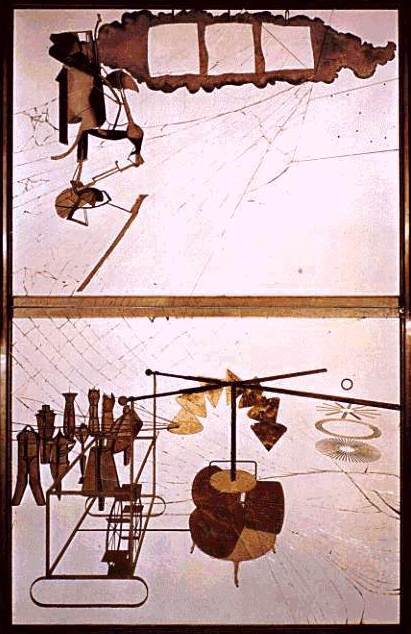
Marcel Duchamp made irreverent, wildly inventive art that blazed new trails for the 20th-century avant-garde. He briefly worked in a Cubist mode and helped spur movements including Dada and Conceptualism. Though his practice spanned drawing, painting, and installation, Duchamp is perhaps most famous for his “readymade” sculptures: pieces composed of prefabricated objects such as a […]
Salvador Dalí
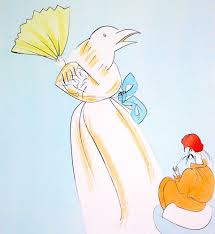
Salvador Dalí was an icon of Surrealism, the 20th-century avant-garde movement that sought to release unconscious creative potential through art that featured dreamlike imagery. Dalí’s fantastical prints, paintings, sculptures, films, and writing helped cement the movement’s identity. Working off psychoanalytic ideas, Dalí rendered fantastical creatures and landscapes that could unsettle and awe. His 1931 canvas […]
Sandro Chia
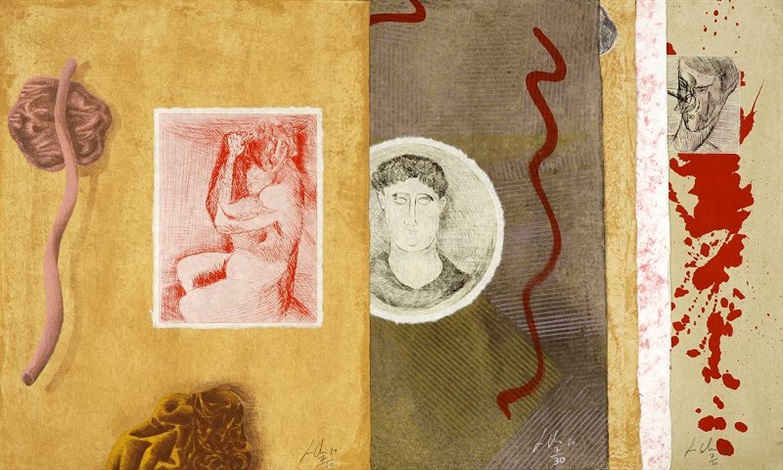
Sandro Chia paints in an expressionistic, loosely figurative style emphasizing form and color. Along with Francesco Clemente and Enzo Cucchi, Chia was a central figure in the Italian Transvanguardia movement, a Neo-Expressionist group who sought to re-emphasize color and representation in their work in reaction to the Conceptual Art of the 1980s. He uses vigorous […]